
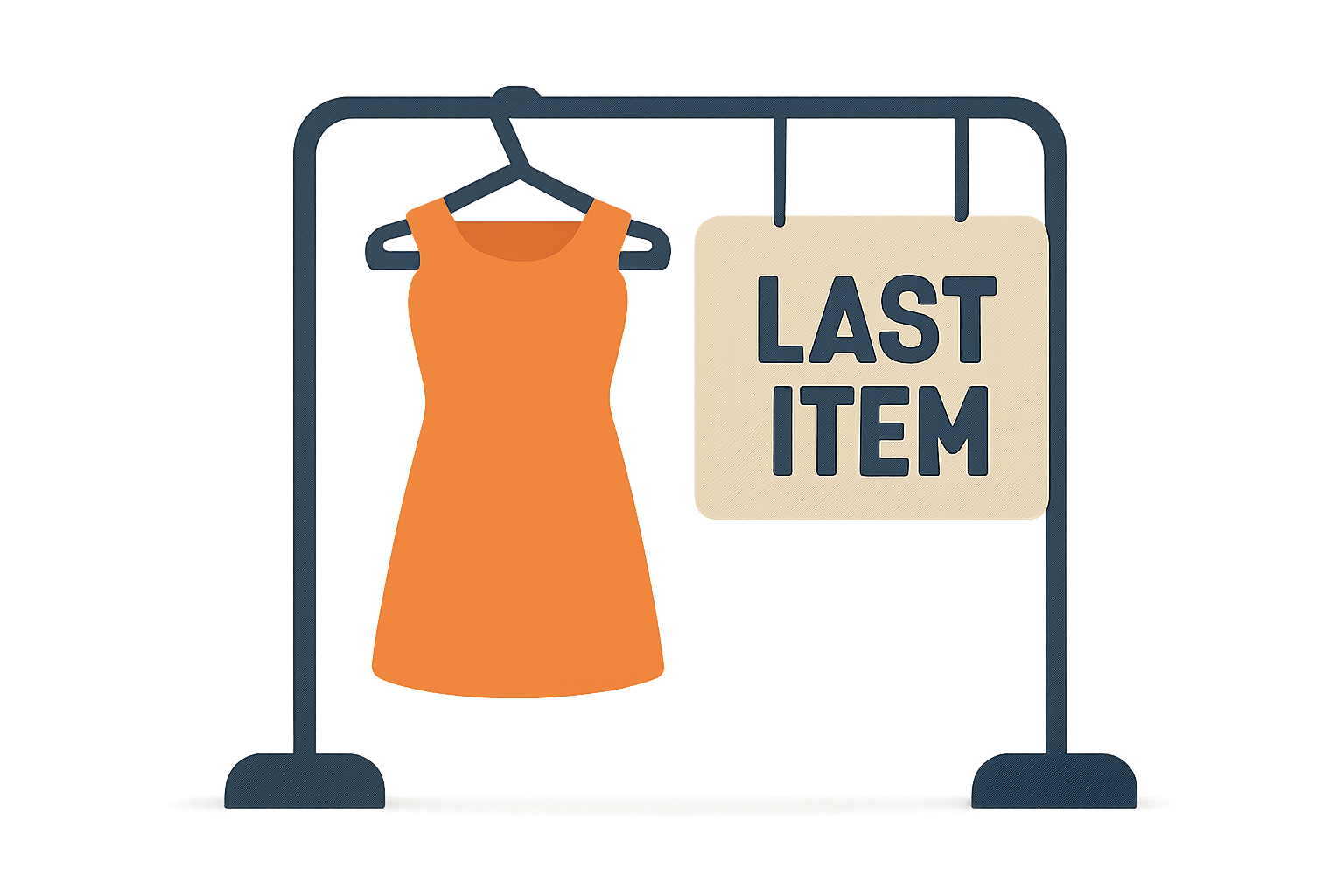
Leveraging scarcity marketing effectively can drive consumer urgency, a tactic particularly potent for small businesses aiming to boost short-term sales. This marketing strategy involves limiting the availability of products or services, either through quantity or time constraints, to enhance perceived value and urgency.
Firstly, consider setting stock limits on popular items. Clearly communicate to customers the restricted number of available units. This approach works well during product launches or special sales events, driving a quick purchasing decision due to fear of missing out.
Next, implement time-limited offers. Brief promotional windows encourage immediate action. Discounts, special prices, or exclusive packages available only for a short period can significantly increase conversion rates.
Highlight unique selling propositions of scarce items. Emphasize elements that differentiate your offering, such as limited-edition designs or exclusive collaborations. This not only justifies the scarcity but also enhances perceived exclusivity and value.
Ensure transparency and honesty in all scarcity claims to maintain trust. Avoid artificial scarcity tactics that can backfire if customers feel misled. Genuine scarcity combined with clear communication builds credibility.
Monitor and measure the impact of scarcity strategies on sales. Use analytics to track customer response, conversion rate changes, and overall sales performance. Adjust campaigns based on these metrics to optimize effectiveness.
Integrating scarcity marketing into sales strategies can prompt consumer urgency, paving the way for increased sales and customer engagement.