
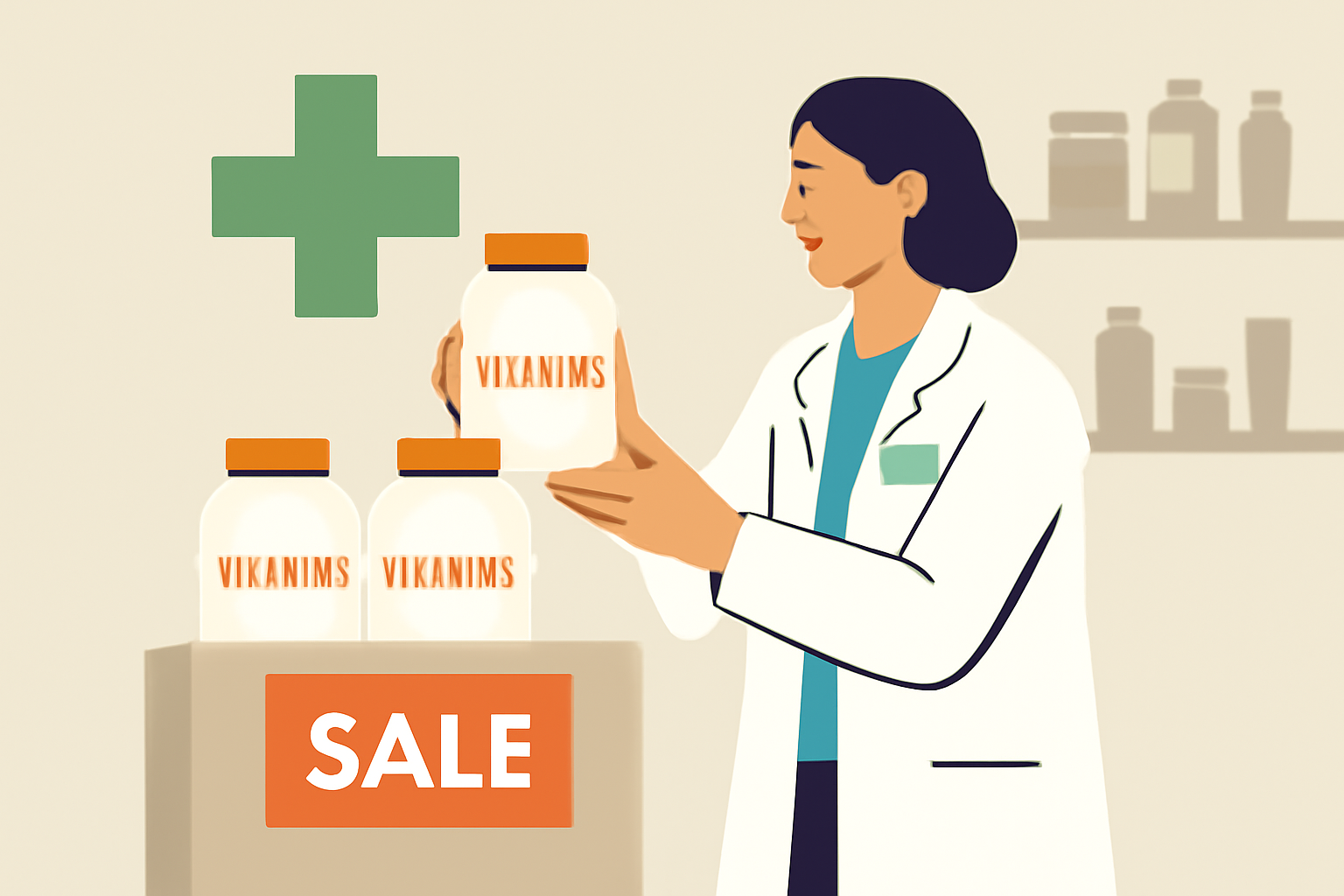
Boosting sales during slow periods can be effectively achieved through strategic use of limited-time discounts. Here’s how to implement them:
Identify Slow Periods: Analyze sales data to determine times of year, month, or even week when sales typically decline. Look for trends over several years for a more comprehensive view.
Define Clear Goals: Set clear, measurable objectives for your discount campaign. Whether it’s to increase revenue by a specific percentage, clear out inventory, or increase customer acquisition, clarity ensures better targeting and evaluation of success.
Select Appropriate Discounts: Choose from percentage discounts, buy-one-get-one-free offers, or set a discount threshold (e.g., discounts on purchases over a certain amount). Consider what will most appeal to your target customers and align with your sales goals.
Create Urgency: Effectively communicate the transient nature of the discount. Use phrases like "Ends this Weekend" or "72-Hour Flash Sale" to encourage immediate action. The shorter, more intense the offer, the better the response usually is.
Promote Across Channels: Utilize email marketing, social media, in-store signage, and your website to get the word out. Tailor your message to suit each platform but keep the core message consistent.
Leverage Customer Segmentation: Target specific segments of your customer base with personalized offers. Loyal customers might get early access, while new customers could be enticed with first-time discounts.
Monitor and Analyze Results: During and after the campaign, monitor sales performance and customer feedback. Use analytics tools to see what worked well and where improvements can be made for future campaigns.
Post-Campaign Engagement: Use post-campaign communication to maintain momentum. Thank customers for their purchases and consider offering a small future discount or a loyalty incentive to encourage repeat business.
Implementing these steps can help turn slow periods into profitable opportunities by encouraging consumer spending, moving inventory, and attracting new customers.